


- Measurement principle of conductivity sensor of high temperature acid concentration instrument
Foreword
The waste heat recovery system of the sulfuric acid plant uses concentrated sulfuric acid in the production of sulfuric acid to absorb the heat released by SO3 to heat the deoxygenated water to produce 0.6MPa low-pressure steam, accounting for about 27% of the total recovery heat of the sulfuric acid plant. In the operation of the waste heat recovery system, the higher the temperature of sulfuric acid, the faster the corrosion rate of the alloy. In order to reduce the corrosion rate of the alloy of the waste heat recovery system, the sulfuric acid concentration should be greater than 99% in the design operation of the system, and the design temperature of sulfuric acid is 220℃. If the sulfuric acid concentration is lower than 99% and the corrosion rate of the alloy will be fast at high temperature. In order to ensure the safe operation of the waste heat recovery device, five high-temperature acid concentration meters are designed in the system to protect the operation safety and automatic concentration control of the device. The installation position is shown in Table 1. It can be seen from the installation position that five high-temperature acid concentration meters are crucial in the device, so mastering the measurement principle of the conductivity sensor can better solve the measurement problem and the maintenance problem of the instrument.
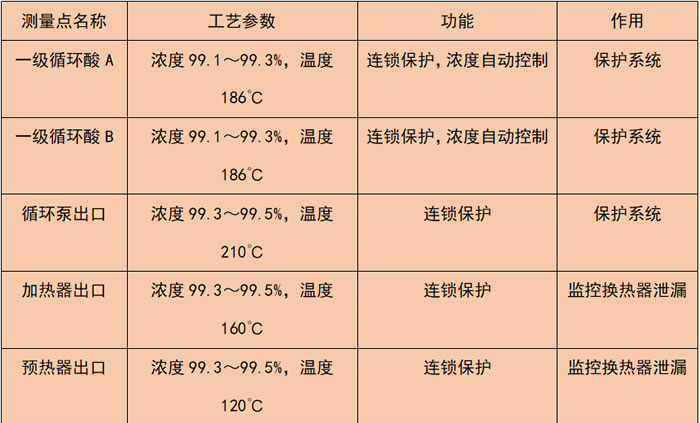
Table 1 Installation position of high temperature acid concentrator for waste heat recovery device
Sensor structure
The conductivity sensor is composed of a probe head, a signal cable, a temperature compensation thermocouple, a measuring tube and its connecting flange; The probe head uses two coils, one as a transmitter and the other as a receiver, and uses a protective box to completely isolate the environmental and process fluids. When the transmitter coil is energized, sulfuric acid conducts electricity to generate an induced current, and the induced current is proportional to the conductivity of sulfuric acid, and the receiver coil detects the size of the current output by the signal cable to the transmitter, thus calculating the concentration of sulfuric acid; Due to the high temperature sulfuric acid is highly corrosive, coupled with the insulation material can not withstand high temperature, the two coils can not be directly immersed in contact with sulfuric acid, so the measuring probe is installed on the measuring tube lined with PTFE; In order to operate normally, the electrode flanges at both ends of the sensor need to be connected with wires. When sulfuric acid flows through the measuring tube, a conductive loop is formed, as shown in Figure 1.
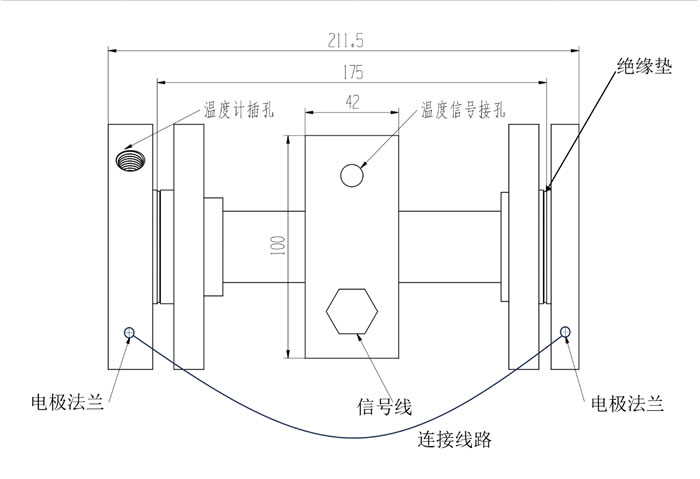
Figure 1 Structure of conductivity sensor
Conductivity sensor measurement principle
The measurement principle of the conductivity sensor is to use the primary and secondary two coils installed on the same axis, the primary coil is the transmitting coil, the secondary coil is the receiving coil, the sensor is placed in the air, the magnetic permeability of the magnetic ring U is much higher than the magnetic permeability of the air U0, the magnetic induction line of the primary coil is basically closed by the secondary magnetic ring, and the leakage flux is very small. Therefore, there is no direct coupling between the primary secondary coils, so that even if there is a current in the primary coil, the secondary coil cannot detect the induced current. The electrode flanges at both ends are connected with the conductor. If sulfuric acid passes through the middle short tube of the sensor, it presents a closed loop state due to the conductivity of sulfuric acid. When alternating current passes through the primary coil, the alternating flux in the magnetic ring of the primary coil can make it pass through the hole of the detector head and present a closed state. The alternating magnetic field causes the secondary coil to induce alternating potential, and the alternating potential signal induced by the secondary is processed and converted by the transmitter to obtain the current conductivity of sulfuric acid, and then the output is the concentration of sulfuric acid after further analysis by the transmitter.
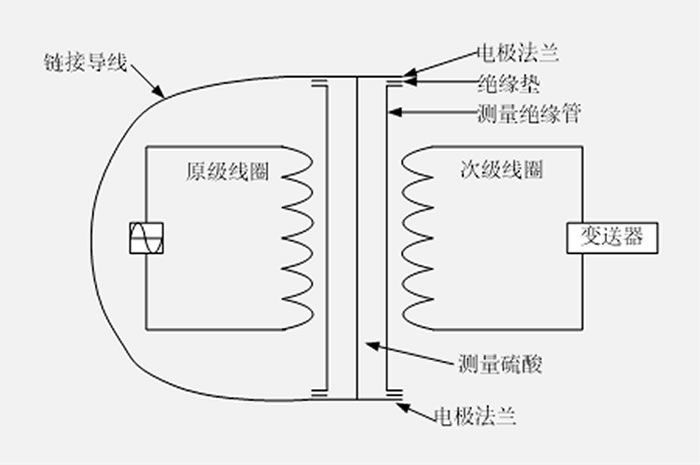
Figure 2 Schematic diagram of conductivity sensor
Introduction
The waste heat recovery system of the sulfuric acid plant uses concentrated sulfuric acid in the production of sulfuric acid to absorb the heat released by SO3 to heat the deoxygenated water to produce 0.6MPa low-pressure steam, accounting for about 27% of the total recovery heat of the sulfuric acid plant. In the operation of the waste heat recovery system, the higher the temperature of sulfuric acid, the faster the corrosion rate of the alloy. In order to reduce the corrosion rate of the alloy of the waste heat recovery system, the sulfuric acid concentration should be greater than 99% in the design operation of the system, and the design temperature of sulfuric acid is 220℃. If the sulfuric acid concentration is lower than 99% and the corrosion rate of the alloy will be fast at high temperature. In order to ensure the safe operation of the waste heat recovery device, five high-temperature acid concentration meters are designed in the system to protect the operation safety and automatic concentration control of the device. The installation position is shown in Table 1. It can be seen from the installation position that five high-temperature acid concentration meters are crucial in the device, so mastering the measurement principle of the conductivity sensor can better solve the measurement problem and the maintenance problem of the instrument.
Table 1 Installation position of high temperature acid concentrator for waste heat recovery device
Sensor structure
The conductivity sensor is composed of a probe head, a signal cable, a temperature compensation thermocouple, a measuring tube and its connecting flange; The probe head uses two coils, one as a transmitter and the other as a receiver, and uses a protective box to completely isolate the environmental and process fluids. When the transmitter coil is energized, sulfuric acid conducts electricity to generate an induced current, and the induced current is proportional to the conductivity of sulfuric acid, and the receiver coil detects the size of the current output by the signal cable to the transmitter, thus calculating the concentration of sulfuric acid; Due to the high temperature sulfuric acid is highly corrosive, coupled with the insulation material can not withstand high temperature, the two coils can not be directly immersed in contact with sulfuric acid, so the measuring probe is installed on the measuring tube lined with PTFE; In order to operate normally, the electrode flanges at both ends of the sensor need to be connected with wires. When sulfuric acid flows through the measuring tube, a conductive loop is formed, as shown in Figure 1.
Figure 1 Structure of conductivity sensor
Conductivity sensor measurement principle
The measurement principle of the conductivity sensor is to use the primary and secondary two coils installed on the same axis, the primary coil is the transmitting coil, the secondary coil is the receiving coil, the sensor is placed in the air, the magnetic permeability of the magnetic ring U is much higher than the magnetic permeability of the air U0, the magnetic induction line of the primary coil is basically closed by the secondary magnetic ring, and the leakage flux is very small. Therefore, there is no direct coupling between the primary secondary coils, so that even if there is a current in the primary coil, the secondary coil cannot detect the induced current. The electrode flanges at both ends are connected with the conductor. If sulfuric acid passes through the middle short tube of the sensor, it presents a closed loop state due to the conductivity of sulfuric acid. When alternating current passes through the primary coil, the alternating flux in the magnetic ring of the primary coil can make it pass through the hole of the detector head and present a closed state. The alternating magnetic field causes the secondary coil to induce alternating potential, and the alternating potential signal induced by the secondary is processed and converted by the transmitter to obtain the current conductivity of sulfuric acid, and then the output is the concentration of sulfuric acid after further analysis by the transmitter.
Figure 2 Schematic diagram of conductivity sensor