


- Common failure analysis and solution of high temperature sulfuric acid analyzer in waste heat recovery device
Overview
Waste heat recovery technology has become the standard configuration process of sulfuric acid plant. With the extensive application of waste heat recovery device in sulfuric acid plant, in recent years, there have been many internal water, steam leakage or other internal leakage incidents in waste heat recovery device, which have led to significant economic losses. Due to the failure of the high-temperature sulfuric acid analyzer, it is difficult to find the abnormal device in time during the production operation, which leads to the serious corrosion problem of the waste heat recovery device, and eventually leads to the waste heat recovery device or sulfuric acid device to stop production for a long time or even equipment damage.
Therefore, the acid concentration during operation is directly related to the safety of the waste heat recovery device. However, the conventional contact or external clip-on acid concentration analyzer cannot meet the special temperature requirements under the current working conditions. Given this challenge, we had to choose a non-contact conductivity sensor to measure the concentration of sulfuric acid.
The working principle of the non-contact conductivity sensor cleverly uses two coils: one acts as the transmitter of the signal, and the other acts as the receiver of the signal. When the transmitter coil is energized, an induced current is generated in the sulfuric acid, and the magnitude of this induced current is proportional to the conductivity of the sulfuric acid. Subsequently, the receiver coil is responsible for detecting the size of this current, and the detected signal is transmitted to the transmitter, which further calculates the corresponding conductivity value, and finally calculates the sulfuric acid concentration according to the conductivity.
Considering the extremely corrosive nature of high-temperature sulfuric acid and the intolerance of insulating materials at high temperatures, the two coils are not in direct contact with sulfuric acid. To achieve the measurement, we use an innovative design: the connecting flanges at both ends of the sensor are connected by a wire to form a conductive loop. In this way, the concentration of sulfuric acid can be accurately measured even without direct contact with it. The sensor structure is shown in Figure 1.
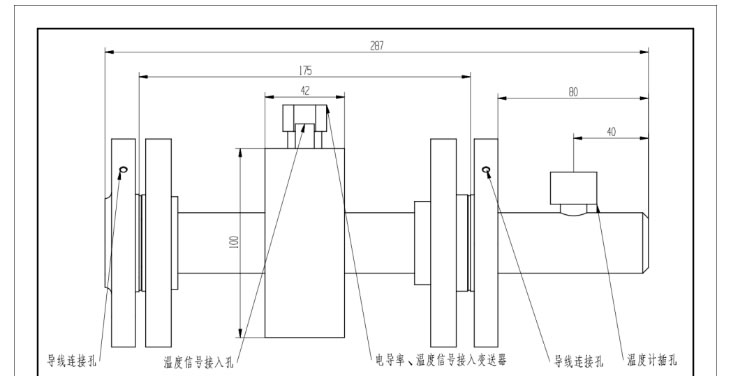
Figure 1 Sensor structure and function diagram
Two, fault cause analysis and solution
1. Acid concentration measurement failure caused by low insulation bolt quality
Cause analysis:
During use, ensure that the sensor flanges are insulated from the mounting flanges at both ends. If the flange connection of the non-contact conductivity sensor leaks, it will directly cause the insulation performance of the bolt to fail, and then make the wire, the outer flange, the sensor flange and the medium flow tube form a very low resistance loop. In this case, the measured conductivity will be abnormally high, resulting in sensor distortion.
At present, the insulation bolts used for on-site sensor installation are mainly made of tetrafluoroidal or paper insulation materials. However, PTFE is easy to soften at high temperature, which may lead to decreased fastness of flange connection; As an insulating material, paper may be damaged by factors such as bolt torque, water and acid fog corrosion, both of which may cause acid leakage of the flange, thus weakening the insulation effect of the sensor, which poses a potential threat to site safety, and leads to distortion of the sensor measurement results. As shown in Figure 2.
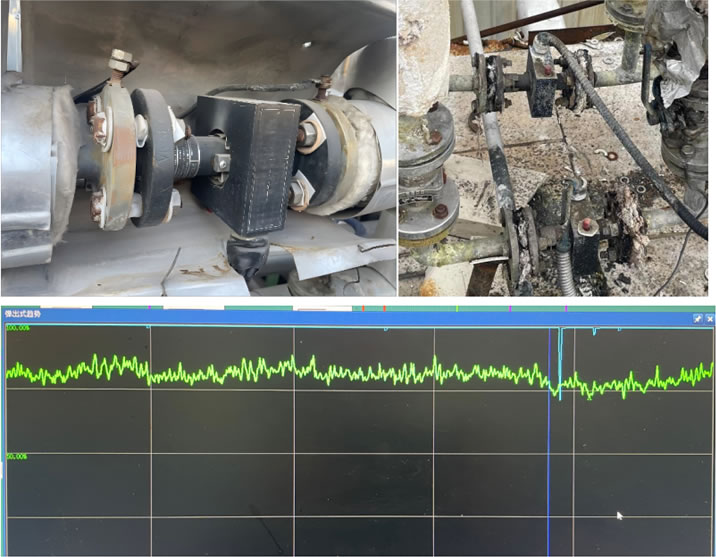
Figure 2 Sensor distortion caused by acid leakage and site safety hazards
Solution:
The root cause of the acid leakage problem of the sensor flange position is that the insulation bolt is affected by multiple factors such as high temperature deformation, sulfuric acid erosion, rain softening and bolt torsion deformation. In order to effectively solve the problem of sulfuric acid leakage in sensors, it is necessary to use insulation components that can overcome the above problems.
The LJ80 insulation component, developed by Lilly Technology, is recommended, which is specially designed for the non-contact conductivity sensor of Lilly AS118 and imported product 222, and can work stably in a wide temperature range of -40 ~ 260 ° C. Its core advantage is the use of engineering plastics with excellent insulation, corrosion resistance and torque resistance as insulation pads, ensuring the durability and reliability of the components. At the same time, the fastening bolt is made of 304 stainless steel, and the surface is sprayed with PTFE anti-corrosion material, which further enhances the corrosion resistance of the component and effectively resizes the erosion of dilute sulfuric acid and the conductive influence of rain.
Through this design, the LJ80 insulation component can ensure that the sulfuric acid concentration analyzer does not leak sulfuric acid during long-term use, so as to avoid the occurrence of analysis failures, and ensure the safe and stable operation of the entire device. The effect is shown in Figure 3.
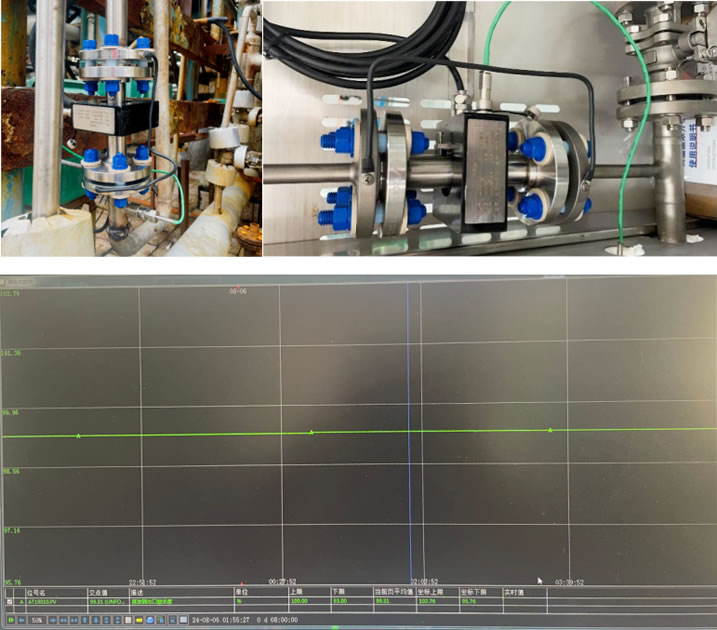
Figure 3 Effect of insulation components
2. Excessive fluctuation of acid concentration data
Cause analysis:
primary circulating sulfuric acid is the sulfuric acid after the diluter (acid temperature 180 ~ 190℃, pressure 0.1 ~ 0.2MPa, flow rate 800 ~ 1000m3/h, concentration 99.05% ~ 99.15%), the diluter in order to achieve the rapid mixing of water and sulfuric acid, the use of compressed air atomization water enhanced disturbance technology, There is a large amount of air in the primary circulating acid at the outlet of the diluter (the content is about 5% to 8% of the sulfuric acid). Due to the existence of air, it is not conductive itself, and is not miscible with the measuring medium, which will make the actual conductivity measured by the sensor low (high acid concentration), while the size of the air bubble is different, it will cause sensor distortion (resulting in a primary cycle acid concentration measurement value and the actual deviation and fluctuation), therefore, Non-contact conductivity sensors are not suitable for measuring sulfuric acid containing air media. As shown in Figure 4, the measurement data containing air will fluctuate significantly, resulting in the measurement results unable to meet the requirements of the device safety interlock and automatic control of water addition.
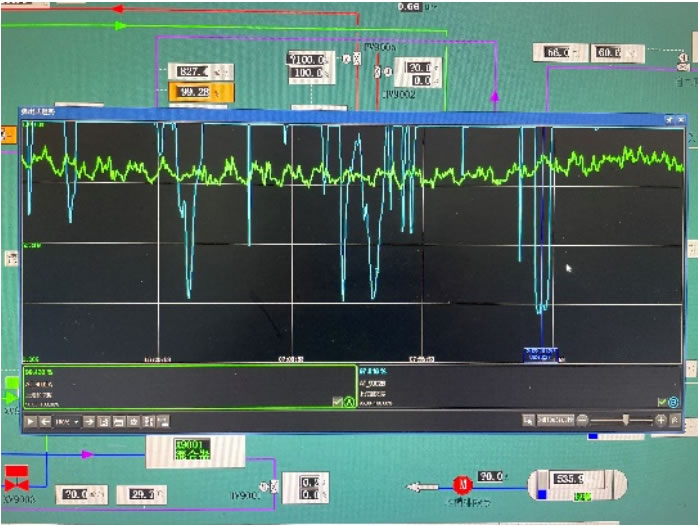
Figure 4 Fluctuation of acid concentration
Solution:
According to the physical and technological characteristics of primary circulating sulfuric acid, the core reason for the excessive fluctuation of acid concentration is the existence of air bubbles. To this end, Lilly Technology has independently developed a steady-state gas-liquid separator, which can completely separate the air in the primary circulating acid, effectively eliminating the negative impact of air on the conductivity sensor.
The steady-state gas-liquid separator integrates a two-stage high-efficiency gas-liquid separation unit, a siphon balancing unit, and other necessary accessories. When the high-temperature concentrated sulfuric acid enters the gas-liquid separator, it first goes through the first-stage gas-liquid separation treatment, and then enters the second-stage gas-liquid separation stage. It is worth noting that the secondary gas-liquid separation unit is specially designed with a thermal resistance mounting sleeve to meet the needs of the conductivity sensor for temperature measurement. The treated sulfuric acid then enters the installation line of the conductivity sensor and eventually returns to the HRS circulation tank.
In addition, the top of the gas-liquid separator is also equipped with a siphon balancing device, which successfully reduces the potential impact of negative pressure at the acid discharge port on the front separation device and the conductivity measuring device by using the principle of reducing the diameter of the pipe. At the same time, the gas-liquid separator is also provided with heat insulation plate and heat dissipation hole device, which effectively reduces the influence of heat emitted by high temperature sulfuric acid on the performance of the sensor.
After installing the steady-state gas-liquid separator, the monitoring results of acid concentration are shown in Figure 5.
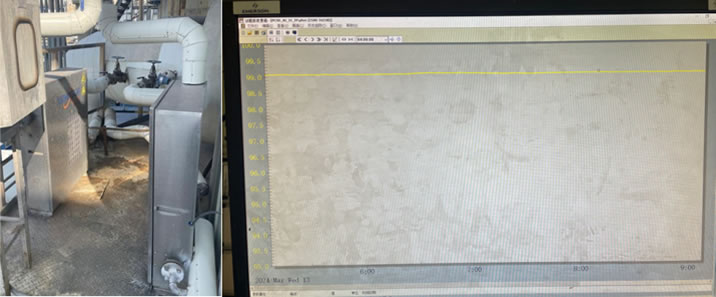
(a)

(b)
FIG. 5 Acid concentration results after installing the steady-state gas-liquid separator of the high temperature acid concentration instrument